Bando agrisolare 2026: complete guide for farms
Investing in agricultural photovoltaic today is not only an ecological choice, but a strategic decision to reduce energy costs and increase competitiveness. However, many farmers are faced with concrete doubts: requirements, timing, differences between measures and real economic benefits.
The agrisolare ban 2026 was created to meet these needs, offering contributions dedicated to the primary sector to install photovoltaic systems on existing agricultural structures. In this guide you will find simple but technically accurate explanations to understand how it works, who can access and why it can become a turning point for your company.
What is the band 2026
The agrisolar programme is a public incentive for agricultural, zootechnical and agro-industrial enterprises that want to produce renewable energy without consuming agricultural land.
The main objective is:
- Reduce the energy costs of farms
- Improve the environmental sustainability of the sector
- Promote self-consumption and economic stability of rural enterprises
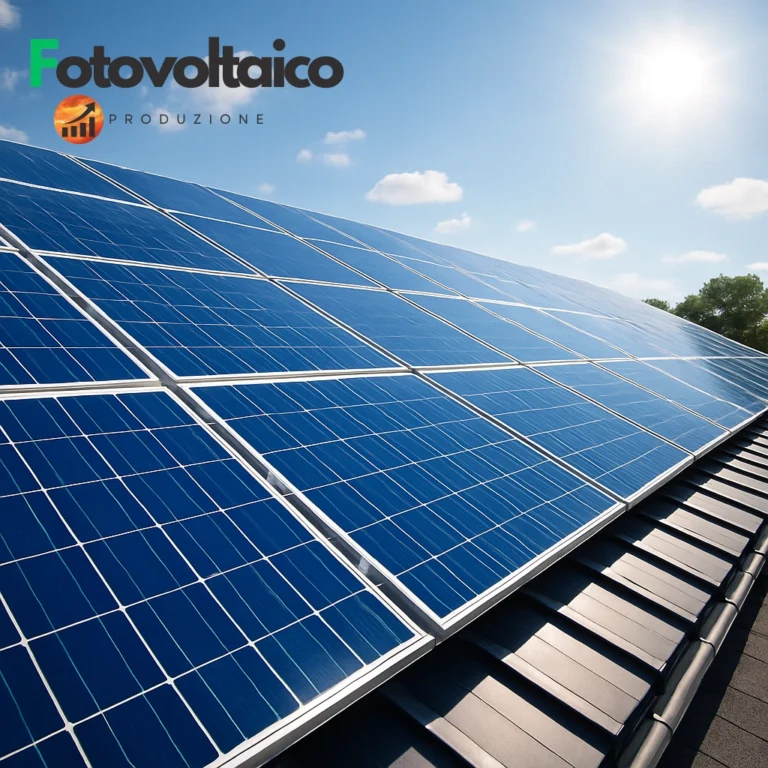
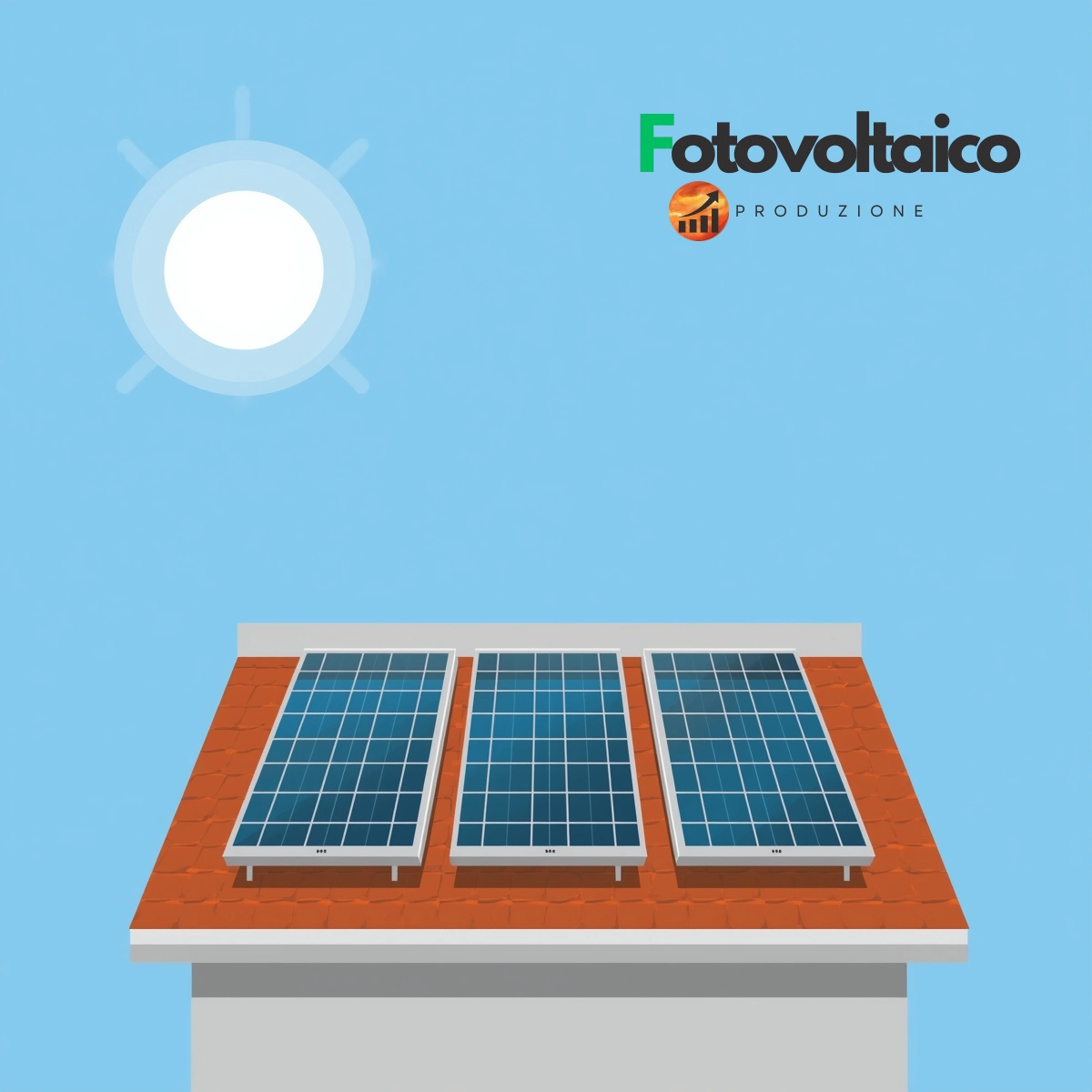
Unlike the classic ground systems, here the photovoltaic is installed on the roofs of stables, barns, warehouses and agricultural sheds.
To whom is addressed
The photovoltaic call for farms is intended for:
- Individual or corporate agricultural entrepreneurs
- Agricultural cooperatives
- Agricultural processing companies
- Zootechnical firms
Improved scores or conditions are often provided for:
- Companies located in disadvantaged areas
- Enterprises led by young farmers
- Structures that combine energy efficiency operations
Eligible expenditure
Among the interventions covered by the agrisolar incentives are:
- Installation of photovoltaic systems on existing covers
- Energy storage systems (battery)
- Removing and disposal asbestos from shells
- Improvement of thermal insulation of buildings
- Ventilation and cooling systems
This means that not only the plant is financed, but also the redevelopment of the agricultural structure.
What are the incentives for photovoltaics in 2026?
In 2026 the agricultural sector will be able to count on lost contributions, often calculated as a percentage of total expenditure.
Generally support can cover:
- An important share of initial investment
- Majorities for young farmers
- Awards for those who improve the energy efficiency of the building
The objective is to make the return time of the investment much shorter than a system made without public aid.
What are the incentives for young farmers in 2026?
Young agricultural entrepreneurs are often among the main beneficiaries of support policies. In the agrisolar context, they can get:
- Higher contribution rates
- Priorities in graduation
- Increases on innovative and sustainable interventions
This makes photovoltaic a fundamental lever to modernize the companies guided by new generations.
What is the difference between agrivoltaic and agrisolating? ,When does the agrivoltaic call expire? ,When does the ban slip out?
These are among the most frequently asked questions and are often confused among themselves.
Agrisola
- Photovoltaic installed on roofs of agricultural buildings
- No direct use of agricultural land
- Focus on self-consumption and requalification structures
Agricultural
- Photovoltaic plants installed on agricultural land
- Integration between agricultural production and energy
- Over-elevate structures that allow crops under the panels
| Feature | Agrisola | Agricultural |
|---|---|---|
| Plant location | Agricultural buildings | Agricultural land |
| Land consumption | Nobody. | Minimo ma presente |
| Obiettivo principale | Autoconsumo aziendale | Produzione energia + agricoltura |
| Complessità progetto | Media | Più elevata |
Le tempistiche dei bandi variano di anno in anno e dipendono dai decreti attuativi. Per aggiornamenti ufficiali è sempre bene consultare fonti istituzionali come il GSE Gestore dei Servizi Energetici.
Vantaggi concreti per le aziende agricole
Installare un impianto con il bando agrisolare 2026 porta benefici tangibili:
Risparmio economico
- Riduzione immediata delle bollette elettriche
- Protezione dai rincari energetici futuri
Maggiore competitività
- Costi di produzione più bassi
- Migliore immagine aziendale verso clienti e filiere sostenibili
Valorizzazione degli immobili
Le strutture agricole ristrutturate e dotate di impianto fotovoltaico aumentano il loro valore nel tempo.
Come prepararsi al bando
Arrivare pronti fa la differenza. Prima dell’apertura ufficiale conviene:
- Verificare la stabilità delle coperture
- Analizzare i consumi energetici aziendali
- Valutare la potenza impianto ideale
- Richiedere un progetto tecnico preliminare
Può essere utile consultare una guida dedicata agli impianti fotovoltaici per aziende agricole per capire dimensionamenti e soluzioni tecniche.
Errors to avoid
Molte domande vengono respinte per motivi evitabili:
- Documentazione incompleta
- Coperture non idonee dal punto di vista strutturale
- Progetti sovradimensionati rispetto ai consumi reali
Un impianto ben progettato non è il più grande possibile, ma quello più equilibrato tra produzione e autoconsumo.
Domande frequenti
Il contributo è compatibile con altri incentivi?
Spesso sì, ma con limiti di cumulabilità. Serve sempre una verifica caso per caso.
Serve partita IVA agricola attiva?
Sì, l’attività agricola deve essere regolarmente registrata.
L’impianto deve essere solo per autoconsumo?
La priorità è l’autoconsumo, ma in molti casi è possibile immettere in rete l’energia in eccesso.
Ci sono limiti di potenza?
Di solito sì, e variano in base alla tipologia di azienda e ai consumi storici.
Conclusion
Il bando agrisolare 2026 rappresenta una delle opportunità più interessanti per il mondo agricolo nei prossimi anni. Non si tratta solo di installare pannelli solari, ma di trasformare l’azienda in una realtà più moderna, autonoma e resiliente.
Capire in anticipo requisiti, differenze con l’agrivoltaico e vantaggi economici permette di arrivare preparati e aumentare le possibilità di ottenere il contributo. Per molte imprese agricole, questo incentivo può segnare il passaggio da costi energetici imprevedibili a una gestione stabile e sostenibile nel lungo periodo.